

$1/month until June, 2024 for Halp users.
Book a Demo

Deliver superior omnichannel support from Slack, integrate with your existing systems & resolve requests 5x faster with custom AI Agents.










Resolve requests in minutes, not hours
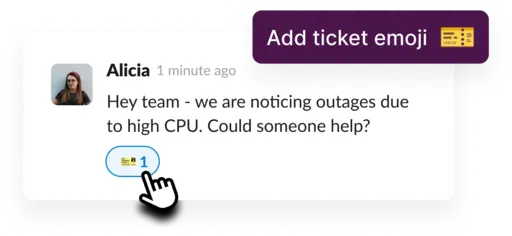
Turn conversations into tickets with one click and sync with tools like Zendesk, SFDC, Freshdesk, Intercom, Hubspot
Deflect repetitive queries, suggest replies, & automate agentic actions in your connected tools.

AI monitors each message so you get proactive alerts before breaches happen.

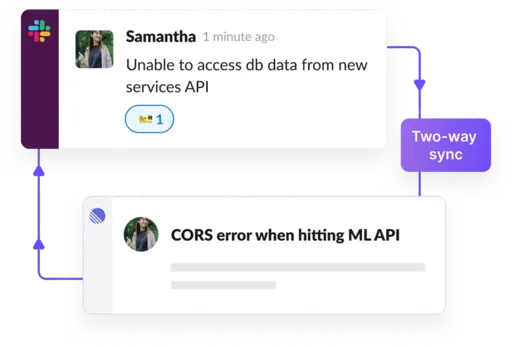
Create and sync tickets in Jira, GitHub, Linear, or ClickUp directly from Slack threads.
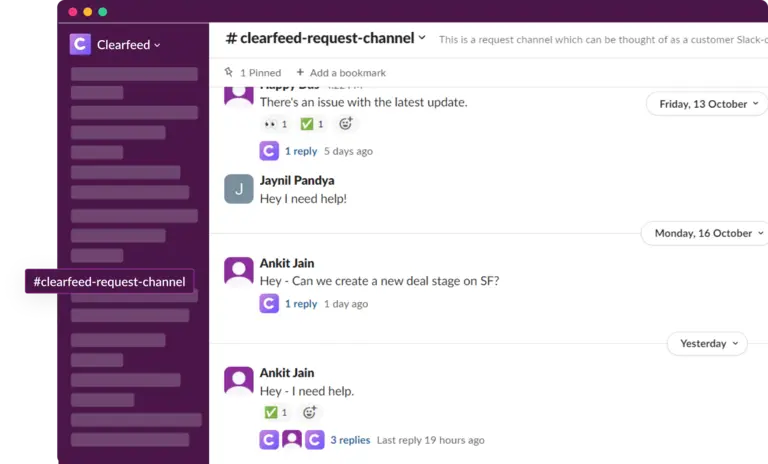
Manage requests from Slack, MS Teams, Email, Web Chat, Portal & Discord in one queue - directly from Slack.






Notify customers about outages, product releases across multiple Slack channels instantly.

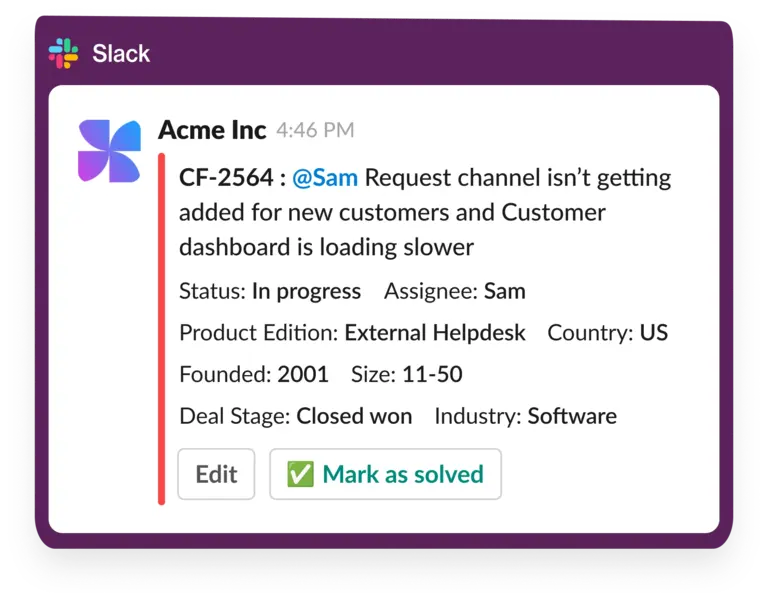
Bring CRM customer data into Slack to route, prioritize & manage support. Convert tickets to Notes easily.


14-Day Free Trial
No Credit Card Required










We reduced friction in supporting our customers and increased efficiencies within the support team by implementing ClearFeed.

ClearFeed ties multiple communication channels together without disrupting our existing workflows.

Our customers simply view us as another team within their organization, and this wouldn't be possible to manage so many channels without ClearFeed. It is extremely easy to integrate with Slack and use in our daily operations, and we can keep track of support agent KPI as well.

After implementing ClearFeed, the biggest benefit is the peace of mind of knowing customers are attended to, and we meet them where they are with real-time expert access.





If you are looking for a Thena alternative, you probably want to make Slack a reliable Support hub for filing tickets and tracking conversations. ClearFeed was built by a team of SaaS veterans for rock-solid reliability & extensibility. We serve hundreds of customers, process millions of messages with zero downtime, with amazing Slack based support for every customer and a fast evolving software stack to serve enterprise needs. Customers switch to ClearFeed from Thena for a reliable, fast Slack Ticketing solution with advanced functionality and empathetic, responsive Support.
The best choice depends on how your support team operates day-to-day. If you need fast collaboration across support, success, and engineering within Slack, ClearFeed is built for that Slack-native model, so context stays in Slack. At the same time, you still get structure such as ownership, status, and accountability. ClearFeed offers advanced workflows, including Approvals, AI auto-fill fields, and conditional automations, for teams with complex workflow requirements in Slack. For a superior, more reliable Slack Ticketing experience - pick ClearFeed.
Thena was built for Customer Support. Most teams replacing Halp are looking for solutions around internal ticketing use cases and integrations. With deep integrations, reliable 2-way sync with 8+ ticketing systems, and support for complex internal workflows like Approvals, ClearFeed is the tried-and-trusted alternative to Halp. Its is in use at many large firms as a Halp replacement, unlike Thena.
If Zendesk is your system of record and you are happy with the helpdesk fundamentals, the pain is usually not “ticketing.” It is that Slack conversations and Zendesk tickets drift apart. In that case, a Slack-native layer like ClearFeed can help teams collaborate and respond in Slack while keeping work organized in Zendesk. ClearFeed has the world's best Slack Zendesk integration - with not just ticket filing and bi-directional sync - but also support for Zendesk forms and CSAT sync within Slack.
Customers switching from Thena often say they are looking for a less expensive and a more reliable system. Evaluate five things before you move. Is the new system functionally equivalent or better? Does it have a more flexible and affordable pricing plan? Does it work reliably? How does the alternative rate on Support? Will the new vendor help in a seamless migration? With almost 150 reviews and 4.6 stars on G2- ClearFeed is known for it's reliability and empathetic and fast support, with support extending to help for migrations and ad-hoc requirements beyond the product.
Yes. ClearFeed is designed for high-volume Slack support where routing, ownership, and visibility start to break down. It helps you keep requests from getting lost, makes ownership explicit, and keeps work visible across the right channels as volume grows. When you compare that to Thena, the practical question is whether the workflow stays reliable without constant manual nudges. If it depends on people remembering to tag, follow up, and move things along in Slack, it will struggle the moment your queue spikes.


