Table of Contents

Customer experience (CX) has become a central driver of business success in the B2B sector. According to a report, 70% of customers are willing to pay a premium for a great customer experience. This statistic highlights the tremendous value that superior CX can bring to your business.
With this shift, businesses are increasingly realizing that excellent CX is not just a competitive advantage—it’s essential for survival. Today, delivering a seamless, personalized experience can significantly improve customer satisfaction, retention, and revenue.
Moreover, improving the B2B customer experience is necessary. Studies show that 80% of B2B customers expect a buying experience similar to that of B2C customers. In this guide, we will explore practical steps to enhance the B2B customer experience, focusing on understanding the customer’s journey and leveraging the latest technology.
What Is B2B Customer Experience?
B2B customer experience (CX) refers to the overall perception and interaction that business customers have with a company throughout their entire journey, from initial contact to post-purchase support. Unlike B2C (business-to-consumer) experiences, which focus on individual consumers, B2B CX involves interactions between businesses, often involving longer sales cycles, multiple decision-makers, and more complex products or services.
Here’s a quick comparison between B2B customer experience and B2C customer experience:
Characteristics of B2B Customer Needs
B2B customers often deal with larger, more complex purchasing decisions that involve multiple stakeholders and extended timelines. These customers are typically looking for:
- A dependable service or product that meets their specific business needs. They want to be confident that they’re making an informed decision that will contribute to their company’s success.
- Repeated purchases over time. They expect a consistent experience across all touchpoints, from communication to delivery, to maintain trust.
- Fast responses, smooth purchasing processes, and quick resolution of any issues.
Why Customer Experience Matters for B2B?
Data-driven insights show that improving the B2B customer experience is essential for long-term growth. Here are key statistics that highlight the impact of effective strategies:
1. Customer-Centric Culture Drives Growth: Businesses with a strong customer-first approach achieve remarkable results. According to a survey, B2B companies with “very mature” customer-centric practices grow their revenues 2.5 times faster than their competitors.
2. Personalization Boosts Engagement and Revenue: Tailored interactions are increasingly important for B2B relationships. Studies reveal that personalized experiences can boost revenues by 10-15%, while 80% of consumers are more likely to engage with brands offering customized solutions.
3. Proactive Support: Anticipating client needs and addressing potential issues before they arise demonstrates a commitment to excellence. Companies that adopt proactive B2B customer support can reduce churn rates by 15% and significantly improve customer satisfaction.
These statistics highlight the potential of adopting a customer-centric mindset. By focusing on these strategies, B2B companies can achieve sustainable growth.
How to Improve B2B Customer Experience?
- Communicate Better with Customers
Get back to customers quickly, within hours if possible. Use plain language everyone understands. Let them reach you through their preferred method, whether it's email, phone, or chat. Keep them in the loop about their orders without waiting for them to ask.
Quick Tips:
- Set up automatic order updates
- Create email templates for common questions
- Schedule regular check-ins with key clients
- Train your team to write clear, jargon-free messages
- Make Your Website Work Better
Your website should be easy to use on both computers and phones. Add helpful features like:
- A powerful search tool
- Clear product categories
- Howto videos and guides
- Customer accounts with past order history
Remember: A frustrated customer on your website might become your competitor's new client.
- Deliver Excellence
Quality isn't just about the product – it's about the whole package:
- Ship on time, every time
- Help customers use your products properly
- Adjust your offerings when customers need something specific
- Create detailed but simple user guides
Pro tip: Track shipping delays and their causes. This helps prevent future problems.
- Listen and Improve
Your customers' opinions are gold:
- Ask for feedback through short surveys
- Fix problems as soon as they come up
- Show customers how their suggestions led to improvements
- Check back after fixing issues
Smart Move: Create a monthly report of customer suggestions and track which ones you've implemented.
- Build Strong Relationships
Think of yourself as a partner in your customer's success:
- Give each important client their contact person
- Share useful industry information
- Help plan for their future needs
- Organize quarterly business reviews
Worth Trying: Create a "Customer Success Story" program where you showcase how your products helped clients grow.
- Welcome and Train New Customers
Make new customers feel at home:
- Create a step-by-step welcome guide
- Offer free training sessions
- Send welcome packages with useful resources
- Check-in after their first purchase
- Use Smart Tools
Let technology help you serve customers better:
- Use software to track customer interactions
- Set up smart chatbots for basic questions
- Look at customer data to spot trends
- Create automated but personalized emails
- Keep Money Matters Simple
Make the business side smooth:
- Show clear prices without hidden fees
- Offer different ways to pay
- Send accurate bills on time
- Consider flexible payment terms for long-term clients
- Going Above and Beyond
Extra touches that make a difference:
- Create an exclusive customer community
- Organize industry meetups
- Share early access to new products
Remember: Happy B2B customers are your best advertisers. Focus on making their experience remarkable at every step, and you'll build a loyal customer base that will naturally grow your business.
How Does Technology Enhance Customer Experience?
Technology is a key enabler of the best B2B customer experiences. It helps businesses streamline operations, improve communication, and offer more personalized services. Key tools like CRMs, automation tools, and AI-driven solutions can significantly enhance the customer journey.
- CRMs allow businesses to centralize customer data, track interactions, and gain deeper insights into customer preferences and behaviors. This enables more personalized service and more efficient management of customer relationships.
- Automation tools help businesses handle repetitive tasks such as order confirmations, invoicing, and follow-up emails. This reduces human error, improves response times, and allows teams to focus on higher-value tasks. Examples include Salesforce Service Cloud and Zoho Desk.
- AI and chatbots, like ClearFeed’s Virtual Agent or Zendesk’s Answer bot, are increasingly being used to provide 24/7 customer support and instant responses to basic inquiries. AI-powered predictive analytics can also anticipate customer needs, offering personalized recommendations and solutions.
- Self-service portals and knowledge bases also play vital roles in enhancing B2B CX. Platforms like Zendesk Help Center and Freshdesk allow customers to resolve issues independently. They can find answers to common questions, troubleshoot issues, or manage their accounts independently.
How ClearFeed Enhances Customer Experiences for Slack-First B2B Teams
For many B2B teams, customer support no longer happens only in email inboxes or helpdesk portals. Customers often expect to ask questions in shared Slack channels, especially when they already use Slack Connect to work with vendors, implementation partners, or customer success teams. ClearFeed helps these Slack-first teams turn those conversations into a structured support workflow without forcing customers out of Slack.
- Centralize requests from customer channels: ClearFeed monitors configured Slack request channels and converts relevant customer messages into requests based on your collection settings. Those requests appear in a triage channel where agents can see the request ID, status, assignee, priority, and the customer channel where the issue started.
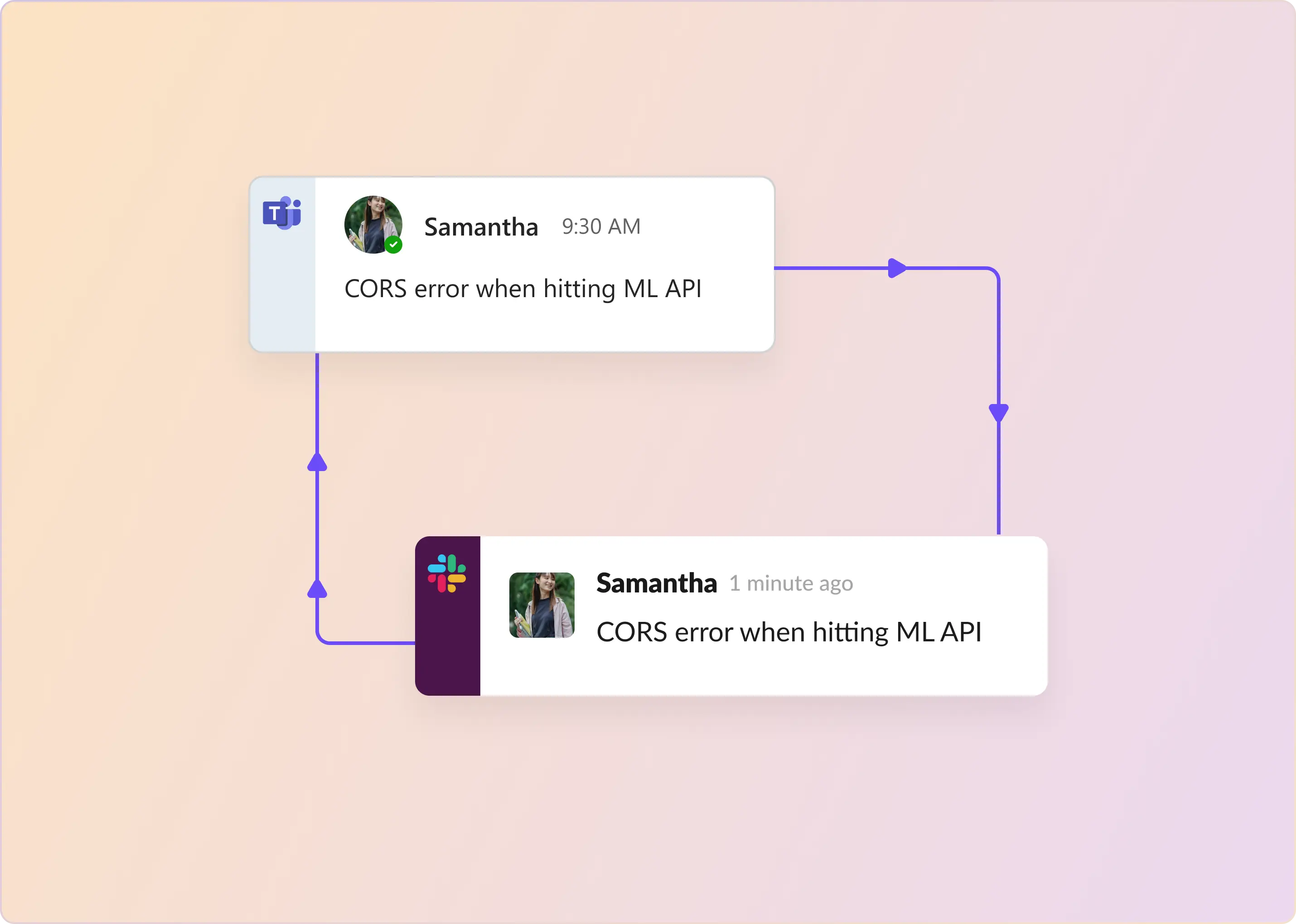
- Let agents work from one triage channel: Instead of jumping between dozens of customer channels, support teams can reply from the triage channel and have responses sync back to the original Slack thread. This keeps the customer experience conversational while giving agents a single command center for tracking and collaboration.
- Keep internal collaboration private: Agents can add private notes, tag teammates, and discuss next steps in triage without exposing those internal comments to customers. This is useful when a request needs input from engineering, product, customer success, or an account owner before the final customer response is sent.
- Connect Slack conversations to ticketing workflows: Teams can use ClearFeed's native ticketing or connect Slack support workflows to supported external ticketing systems. Depending on the setup, a Slack message can become a formal ticket, show a customer-facing ticket ID and status, and preserve the original conversation context.
- Reduce noise and prioritize urgent issues: ClearFeed can use AI filtering to suppress messages that do not require support action, such as greetings, acknowledgments, appreciation, or already resolved updates. It can also analyze incoming Slack messages for urgency signals and may set the request priority to High when the message indicates a critical issue.
- Improve ownership and accountability: Assignment rules can route requests to the first responder, distribute work via round-robin assignment, or assign requests to the customer owner when customer-centric routing is configured. ClearFeed can also check Slack availability statuses for round-robin assignment, so that requests are not routed to unavailable teammates.
- Track SLAs and customer feedback: ClearFeed supports SLA policies for first response time, resolution time, and one-touch resolution, with business schedules and holidays factored into calculations. Teams can also send Slack-native CSAT surveys after requests or tickets move to the solved state, and then view scores and comments for each request.
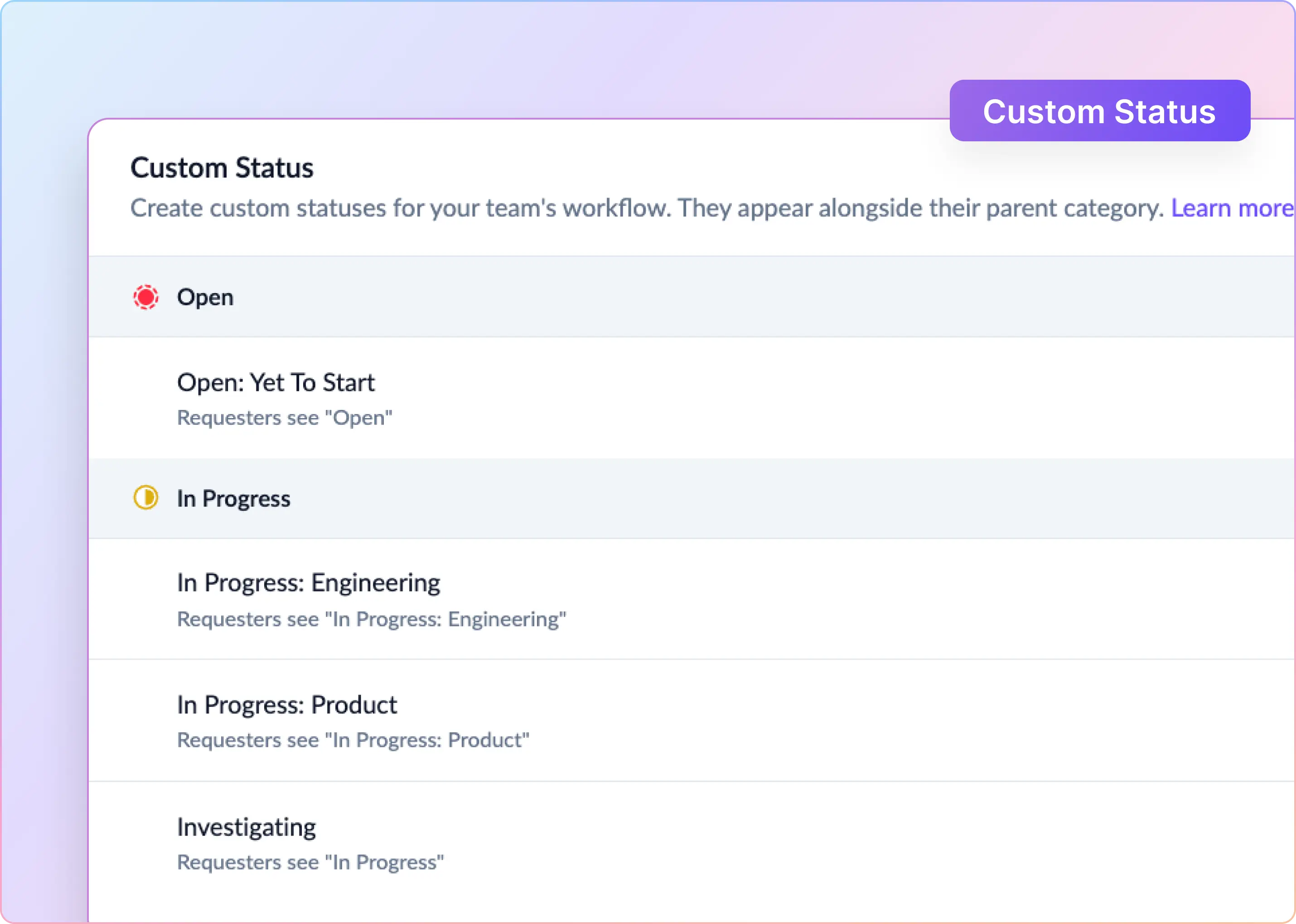
- Use AI assistance with human control: ClearFeed AI Agents can work in Agent Assistant mode, where suggested replies are posted privately in triage for agents to review, edit, and send. For teams that want more automation, Virtual Agent mode can respond directly in request channels when configured, with escalation paths to human support when needed.
These features help businesses provide faster, more personal, and more effective customer support, significantly enhancing the overall B2B customer experience. Want to know more about how we can help you? Contact us today!